School Time. Back to School: A Motivational Design for Your Creative Workflow
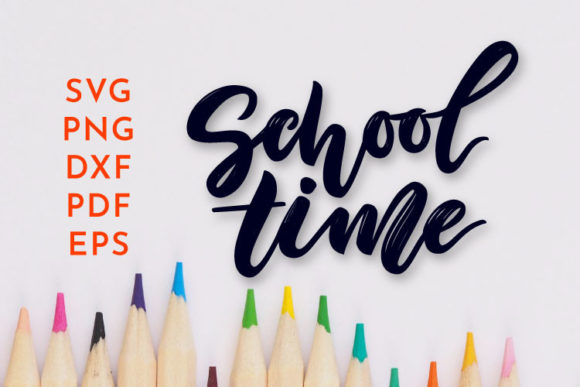
Every project starts with a concept. Whether you are designing a product line, preparing materials for the first school day, or building a cohesive brand around education and motivation, the visual language you choose matters. School Time. Back to School is not simply a nostalgic phrase. It is a versatile motivational quote design that can anchor a range of physical and digital products. Created in a hand-drawing style, this design carries a deliberate, personal feel that stands apart from overly polished stock graphics. For creators, small business owners, and educators, it offers a practical way to communicate energy, focus, and the spirit of new beginnings.
This article walks through what this design is, where it fits in a broader creative or business process, and how you can integrate it into your workflow smoothly. From t-shirt prints to classroom banners, the goal is to help you see this asset not as a one-off graphic, but as part of an organized system for producing consistent, high-quality work.
What Is School Time. Back to School as a Design Asset?
At its core, this product is a digital package containing a motivational quote rendered in a hand-drawn aesthetic. The phrase itself ties directly to themes of routine, learning, and fresh starts. The files come as a ZIP folder with SVG, PNG, EPS, DXF, and PDF formats, plus a 300 dpi PNG with a transparent background. This combination of formats means you are not locked into any single software or platform. You can use the design in vector editing tools, raster programs, cutting machine software, or print-ready layouts.
The hand-drawing style gives the text a human, approachable quality. In a market where many designs look automated or generic, this texture can help your products feel more authentic. For anyone creating merchandise for the school season, this detail alone can be the difference between a product that blends in and one that resonates with buyers.
Where This Design Fits in a Broader Workflow
Understanding where to place a design asset within a process is just as important as the asset itself. School Time. Back to School works across several stages of a typical production cycle, whether you are an individual creator or part of a small team.
Before Production: Planning and Concept Validation
When you are mapping out a product launch for the back-to-school season, you need visuals that align with your theme. This design can serve as a central motif or a supporting element. Because it comes in multiple file types, you can quickly drop it into mockups to test how it looks on a tote bag, a notebook cover, or a mug. This early-stage integration helps you decide on color schemes, placement, and sizing before you commit to production runs. You are not spending hours redrawing text or sourcing separate fonts. The design is ready to place and evaluate.
During Production: File Handling and Output
Once you move into actual production, the variety of formats becomes a practical advantage. The SVG and EPS files allow for clean scaling in vector applications like Adobe Illustrator or Inkscape. If you use a cutting machine for custom apparel or signs, the DXF file imports directly into your software. The 300 dpi PNG with a transparent background works well for print-on-demand platforms where you need a high-resolution image without extra white space. You are not converting or re-exporting files repeatedly. You pick the format that matches your tool and proceed.
After Production: Quality Control and Consistency
After you have produced a batch of items, having the original design files in multiple formats makes quality control simpler. You can compare the printed output against the vector file to check alignment, stroke weight, and overall legibility. If you need to adjust the design for a different product size, the vector formats ensure you are not losing resolution. For creators who reuse designs across seasons or product lines, this consistency saves time and reduces errors.
Practical Uses Across Different Projects
The versatility of this design is not a marketing claim. It is a structural outcome of the file package and the hand-drawn style. Below are several concrete use cases, each with a brief workflow note.
T-Shirt and Apparel Printing
For apparel, the transparent PNG and vector files allow you to layer the text over any garment color. You can use the SVG file to separate the design for screen printing or send the EPS directly to a printer. Because the design is motivational without being generic, it works well for both kids and adult sizes. A small run of shirts for a school event or a teacher appreciation week becomes straightforward to produce.
Bags, Totes, and Accessories
Tote bags and backpacks are popular back-to-school items. The hand-drawn style fits well on fabric, especially when printed in a single color or a limited palette. You can use the DXF file to cut heat transfer vinyl, then press it onto the bag. The design is large enough to be a focal point but simple enough to scale down for smaller accessories like pencil cases or lunch bags.
Mugs, Cups, and Drinkware
Drinkware requires designs that work in a circular or curved layout. The vector files let you adjust the curve of the text if needed. Because the PNG has a transparent background, you can place it directly into a sublimation template without removing a white background. The motivational quote works well as a daily reminder for students or teachers using the mug during the school day.
Notebook Covers and Stationery
For notebooks, planners, and journals, the design can be printed full-cover or as a small label. The 300 dpi PNG ensures crisp text on paper. The EPS file allows you to tweak the layout if you need to add a border, a secondary element, or a company logo. This is especially useful for educators who want to create branded materials for their classroom or for small stationery brands that sell themed notebooks.
Wall Decor and Classroom Signs
School decorations often need to be readable from a distance. The hand-drawn style adds warmth to a classroom or hallway. You can use the PDF to print directly as a poster, or import the SVG into a sign-making software to cut from adhesive vinyl. The design works as a standalone piece or as part of a larger gallery wall with other motivational quotes.
Calendars, Greeting Cards, and Banners
Seasonal products like calendars and greeting cards benefit from a cohesive visual theme. The design can appear on the cover of a school-year calendar or inside a card welcoming students back. For banners, the vector formats let you enlarge the text without losing quality, making it suitable for large-format printing.
Integration with Other Tools, Resources, and Decisions
A design asset rarely works in isolation. School Time. Back to School interacts with several layers of your creative or business workflow.
Software and Platforms
Because the ZIP folder includes SVG, EPS, DXF, PNG, and PDF, the design is compatible with Adobe Illustrator, Adobe Photoshop, Inkscape, Affinity Designer, Cricut Design Space, Silhouette Studio, Canva (via PNG or SVG), and most print-on-demand dashboards. If your workflow involves multiple tools, you can move the file between them without converting or redrawing. This reduces friction and keeps your production speed consistent.
Color and Brand Consistency
The design arrives with text in a non-editable form, but the file itself can be recolored in vector applications. If you are building a series of products around a specific brand palette, you can adjust the design to match. For example, a school might use its official colors, while a small business might match its seasonal collection. This flexibility means you are not forced to use the design exactly as shown. You can adapt it while preserving the hand-drawn look.
Physical Production Methods
Different production methods require different file characteristics. Screen printing works best with vector files that have clean outlines. Heat transfer vinyl requires mirrored layouts, which are easy to create from the original SVG. Direct-to-garment printing works well with the high-resolution PNG. The package covers all these scenarios. You are not guessing which file to use. You select the one that matches your method.
Practical Implementation Tips
To integrate this design smoothly into your routine, consider the following observations based on common workflows.
- Organize your files immediately. After downloading the ZIP folder, unzip it and rename the files according to your own naming convention. For example, include the format, the product use, and a date. This small habit saves time when you revisit the files weeks or months later.
- Test on low-cost blanks first. Before running a full batch, print or cut a single sample. Check the alignment, size, and color on the actual material. Because the design is hand-drawn, the strokes should remain legible at different sizes. A test run helps you verify this before scaling to production.
- Keep a master vector file. If you adjust the design for one product, save that adjusted version separately. This prevents altering the original and gives you a library of variations for future projects. Over time, you build a small archive of ready-to-use assets.
- Pair with complementary visuals. The hand-drawn style works well with other hand-lettered quotes, chalkboard textures, or simple line art. If you are designing a collection, plan a few supporting elements that share the same visual language. This creates a cohesive look across your product line.
- Check resolution for large prints. The 300 dpi PNG is fine for most standard sizes, but if you are printing a poster larger than 24 x 36 inches, use the vector format instead. Scaling a vector file never degrades quality, which is critical for wall decor or banners.
Long-Term Use and Quality Control
A design asset should hold up over repeated use, especially if you plan to offer the same product for multiple seasons. The hand-drawn style in School Time. Back to School has a timeless quality because it does not rely on trendy fonts or overused styles. The words themselves focus on the concept of time and return, which resonates year after year.
For quality control, maintain a checklist when you use the design across different products. Verify that the transparency in the PNG is intact, that the vector paths are clean without stray points, and that the DXF file imports correctly into your cutting software. If you encounter any issues, the product listing indicates that support is available. You can reach out and receive help directly. This is a practical fallback that ensures you are not stuck if a file behaves unexpectedly.
From an organization standpoint, storing the files in a shared or cloud-based folder allows multiple team members to access the same version. If you work with a print partner, you can send them the EPS or PDF directly, knowing it matches your own test prints. This reduces back-and-forth communication and keeps your timeline on track.
Final Observations on Workflow Fit
Motivational quote designs are common, but not all of them are built with production in mind. School Time. Back to School stands out because it combines a meaningful phrase with a practical file package. The hand-drawn style gives it character, while the variety of formats gives it utility. For anyone creating products for the school season, classroom use, or personal motivation, this design fits naturally into the planning, production, and quality assurance stages of your workflow.
Whether you are a freelancer fulfilling a single custom order, a teacher preparing classroom materials, or a small business owner stocking a seasonal collection, the goal is the same: produce results that look intentional and professional. Starting with a design that already works across multiple formats and production methods saves you time, reduces friction, and lets you focus on the details that matter to your customers.
If you have questions about file compatibility, sizing, or layout adjustments, remember that support is available. Send a message, and you will get help tailored to your specific situation. This design is meant to be used, not just downloaded. Treat it as a working part of your toolkit, and it will serve you across many projects to come.