Design with Purpose: Unlocking the Potential of Backpack Back to School Kawaii Vector Graphics
When you are planning a creative project that needs to feel both fresh and friendly, few design elements work as well as the Backpack Back to School Kawaii Vector. This graphic style combines the familiar imagery of school life with the soft, charming aesthetic of kawaii culture. Whether you are a freelance designer working on a client pitch, a small business owner refreshing your brand, or a marketer preparing seasonal content, these vector files provide a flexible foundation. The key appeal lies in how effortlessly they adapt across different media, from digital illustrations to physical merchandise.
Understanding the Backpack Back to School Kawaii Vector
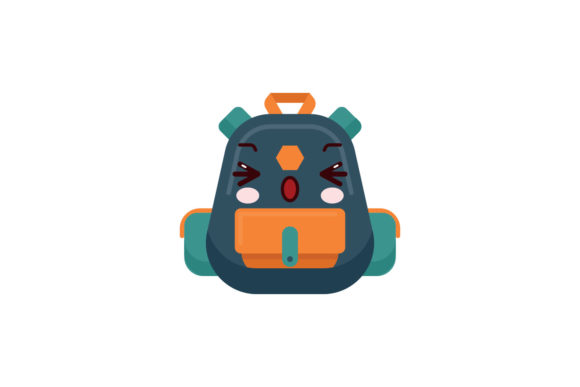
At its core, the Backpack Back to School Kawaii Vector is a digital illustration that merges a classic school backpack with kawaii design principles. Kawaii, a Japanese concept centered on cuteness, often features rounded shapes, soft colors, and expressive faces. In this vector, the backpack becomes more than just a functional object; it transforms into a character full of personality. The file package available for download includes multiple formats: AI, EPS, PNG, JPG, and SVG. This variety ensures that no matter what software or platform you use, you can open, edit, and resize the graphic without any loss in quality.
For many designers, the challenge of finding a vector that is both charming and technically reliable is real. You might have experienced the frustration of a low-resolution raster image that looks pixelated when scaled up, or a file format that does not open in your preferred program. The Backpack Back to School Kawaii Vector directly addresses these pain points. Because it is a true vector file, you can resize it from a tiny icon to a large banner without any degradation. The included SVG and EPS files are particularly useful for web development and cross-platform compatibility, while the AI file gives experienced Adobe users full control over layers and colors.
Common Challenges and How This Vector Helps Solve Them
One of the most common situations design professionals face is the need for versatile assets that work across multiple outputs. You may be preparing a logo for a school supply brand, an animated sticker for a messaging app, a t-shirt graphic for a back-to-school campaign, or a set of illustrations for a children's educational website. Each of these applications has unique technical requirements. Relying on a single raster image would force you to compromise quality in some format. With the Backpack Back to School Kawaii Vector, you have a unified solution. The ability to edit the AI or EPS file means you can adjust colors, scale proportions, or add new elements to match your specific brand palette.
Another challenge is saving time without sacrificing creativity. When deadlines are tight, starting a vector illustration from scratch can take hours. Using a pre-made vector that already has the kawaii aesthetic embedded allows you to focus on the broader design concept. You can quickly integrate the backpack into your composition, whether it is part of a larger scene or the central motif. The openable and editable nature of the files means you are not locked into someone else's vision; you can twist the vector to fit your narrative.
Logo and Branding Projects
If you are developing a logo for a daycare, a tutoring center, or a children's product line, the Backpack Back to School Kawaii Vector offers an approachable visual anchor. The kawaii style naturally communicates warmth, safety, and fun. You can simplify the vector by removing some details or combining it with typography. Because it is resizable without quality loss, you can use the same logo on a business card and a storefront sign. The PNG and JPG files serve as quick previews for client presentations, while the SVG file ensures your final logo renders crisply on any screen.
Illustrations and Animations
For illustrators and motion designers, the clean lines of the vector make rigging for animation much easier. You can separate the backpack into components—straps, zippers, main body—and animate them independently. The kawaii expression on the backpack can be adjusted to show excitement, sleepiness, or determination, depending on the story you want to tell. In an educational video, the animated backpack could guide children through lessons. The AI and EPS files preserve the layers, so you do not have to rebuild the structure from scratch.
T-Shirt and Merchandise Design
Print-on-demand and apparel design require artwork that holds up at various sizes and on different materials. The Backpack Back to School Kawaii Vector works beautifully for t-shirt prints, tote bags, and stickers. Because the vector is scalable, you can make it small for a pocket logo or large for a full-front print. The EPS file is particularly printer-friendly, as it maintains color accuracy and sharp edges. If you want to produce multiple color variations for a product line, editing the AI file lets you experiment with different hues in minutes.
Digital Resources and Educational Materials
Teachers, content creators, and educational publishers can use the vector to create worksheets, classroom posters, or digital flashcards. The kawaii style helps engage young learners by making materials visually appealing. You can place the backpack vector next to vocabulary words or use it as a decorative element in a reward chart. The SVG format is lightweight for websites and interactive PDFs, while the high-resolution JPG works well for printed handouts.
Recommendations for Getting the Most Out of Your Vector
To maximize the value of the Backpack Back to School Kawaii Vector, consider these practical steps. First, open the AI or EPS file in your vector editing software and explore the layer structure. This allows you to understand how the graphic is built and which elements you can modify. If you are new to vector editing, the included PNG and JPG files give you an immediate visual reference. Use the SVG file if you need a web-friendly version that supports interactivity.
When adapting the vector for a specific brand, pay attention to color harmony. The original kawaii palette often includes pastel pinks, soft blues, and gentle yellows. You can shift these to match your brand guidelines while preserving the overall charm. For logos, consider adding a simple school-related icon like a pencil or an apple to complement the backpack. For t-shirt designs, experiment with placing the backpack in a whimsical scene, such as floating among stars or surrounded by school supplies.
One useful consideration is file management. Keep the original AI and EPS files as master copies. When you need to export for different uses, generate new versions from these masters. This approach ensures that you always have a high-quality source to return to. If you plan to animate the vector, save a version with expanded layers and name each component clearly. This small habit will save you time during the rigging process.
Tailoring the Vector to Your Unique Needs
Different users will approach the Backpack Back to School Kawaii Vector in ways that reflect their specific goals. A graphic designer might focus on the technical aspects, such as adjusting path curves and testing color variations. A small business owner may prioritize speed, using the PNG file directly on social media posts and the SVG on their website. A hobbyist creating a personal stationery set could enjoy the process of customizing the vector in a free editing tool. There is no single correct method. The flexibility of having five file formats means that your skill level and software choice do not limit you.
For teams collaborating on a project, the EPS file is especially valuable because it is compatible with many design applications across different operating systems. You can share it with a colleague who uses CorelDRAW or Affinity Designer without worrying about compatibility issues. The PNG file serves as a quick visual reference for approval rounds, while the JPG works for mockups. Having all these formats included in one download saves you from the tedious task of converting files yourself.
Outcomes You Can Expect
When you integrate the Backpack Back to School Kawaii Vector into your workflow, the outcomes are both practical and creative. You gain a reliable asset that shortens your design time and expands your creative options. The vector helps you maintain consistency across different media, which strengthens brand recognition. For t-shirt designs and merchandise, the scalability of the vector means you can offer products in multiple sizes and formats without reworking the art. For digital content, the SVG format ensures fast loading times and crisp display on retina screens.
From an organizational perspective, having a single vector source that accommodates so many use cases simplifies your file library. Instead of storing multiple versions of the same graphic in different resolutions, you keep one master file and export as needed. This reduces clutter and makes it easier to find what you need later. The included formats also future-proof your design, because vector files remain editable even as software evolves.
Final Considerations for Your Design Workflow
The Backpack Back to School Kawaii Vector is more than just a cute graphic; it is a practical tool designed to solve real problems. Whether you are racing against a deadline, working across a team with diverse software, or trying to create a cohesive look for a multi-platform campaign, this vector delivers. The combination of formats ensures that you are prepared for any output requirement. The editable nature of the files respects your creative autonomy, allowing you to inject your own style while standing on a solid foundation.
To begin, download the package and open the AI file to familiarize yourself with the layers. Test the SVG in a web browser to see how it behaves responsively. Use the JPG for quick mockups or client approvals. Over time, you will develop your own workflow for incorporating the vector into various projects. The goal is to let the graphic serve your vision, not the other way around. By keeping the user need at the center, you ensure that every design decision leads to a more effective and engaging result.